Asbestos Rope, Gaskets and Seals: The Disregarded Danger
You're usually surrounded by asbestos rope, gaskets, and seals in older commercial settings— products that silently launch harmful fibers when disturbed. These components, when valued for warm resistance, now present overlooked respiratory system dangers despite having marginal handling. Aesthetic recognition isn't reputable; just laboratory evaluation verifies their existence. Normal upkeep, reducing, or simple inspections can make fibers air-borne. Regulations demand careful monitoring and specialist elimination. Understanding just how these products intimidate your wellness is critical— there's far more you should recognize.
Takeaways
- Asbestos rope, gaskets, and seals prevail in older commercial setups however often forgot as significant resources of unsafe fiber direct exposure.
- Aesthetic identification is unstable; lab screening is needed to confirm asbestos web content in these products.
- Maintenance or disturbance of these products can conveniently launch carcinogenic fibers, creating serious breathing dangers for workers.
- Also minimal or quick direct exposures to air-borne asbestos can trigger chronic lung diseases and cancers, with no risk-free direct exposure limit.
- Expert analysis and stringent control are necessary if asbestos-containing gaskets, ropes, or seals are suspected or discovered.
Why Are Asbestos Rope, Gaskets, and Seals a Hidden Health Risk?
Although asbestos is widely identified as an unsafe product, numerous people ignore the threats posed by asbestos rope, gaskets, and seals since these parts are usually hidden within mechanical systems or insulation. You might not recognize that disturbing these materials throughout upkeep or remodelling can launch microscopic fibers, bring about breathing threats that are simply as severe as even more obvious asbestos sources. The surprise expenses consist of lasting wellness tracking, clean-up, and legal obligations, which are usually neglected till exposure has actually currently taken place. Regulatory voids substance the problem— these elements may drop outside the scope of conventional asbestos reduction protocols, leaving you vulnerable to unintentional exposure. Without durable assessment and control measures, you're at a greater threat of encountering these dangers in older equipment or facilities.
What Are Asbestos Rope, Gaskets, and Seals?
You'll locate asbestos rope, gaskets, and seals extensively used in high-temperature commercial systems as a result of their heat resistance and longevity. These products generally integrate asbestos fibers with binders, producing materials that are adaptable yet capable of holding up against thermal and chemical stress. Aesthetically, they frequently show up as knotted ropes, pressed sheets, or shaped rings, but their hazardous web content isn't constantly obvious.
Common Industrial Applications
From power plants to chemical manufacturing, plenty of industrial settings have actually counted on asbestos rope, gaskets, and seals for their outstanding resistance to warm, chemicals, and fire. If you're operating in these industries, you've most likely ran into these industrial fabrics as crucial components for warmth insulation and securing. Their duty in stopping leakages and having hazardous materials can't be overemphasized, but the dangers shouldn't be overlooked. Asbestos-based products are especially prevalent in atmospheres with high thermal and chemical tension. When reviewing your center, know these typical applications:
- Pipeline lagging and heat insulation in refineries and power plants
- Flanged joint gaskets in chemical handling devices
- Sealing high-temperature central heating boilers and heating systems
- Packaging for pump and shutoff shafts in commercial machinery
- Fire-resistant barriers in manufacturing and aquatic settings
Product Structure Discussed
Understanding why asbestos rope, gaskets, and seals have actually been so commonly made use of begins with their product makeup. You'll find that their core benefit depends on the one-of-a-kind fiber make-up of asbestos itself. Asbestos fibers are naturally happening silicate minerals, tightly woven or pressed to create these items. This structure grants remarkable thermal durability, allowing them to withstand severe temperature levels and stop warm transfer. Designers have relied upon this residential or commercial property for securing and shielding in high-heat industrial setups. Nonetheless, this very same fiber make-up poses significant wellness risks. When interrupted, asbestos fibers can end up being airborne and inhaled, resulting in major breathing conditions. So, while their thermal strength made them indispensable, you need to identify that the product structure straight links to their overlooked risks.
Common Product Appearances
Rope, gaskets, and seals made with asbestos are stealthily ordinary in appearance, often resembling their modern-day, non-asbestos equivalents. When you come across these products, aesthetic recognition can be challenging, provided their vast color variations-– varying from white and beige to grey or brown. Asbestos rope frequently shows up braided or twisted, while gaskets and seals may be flat or ring-shaped, in some cases layered with noticeable fibers. Their texture can really feel soft, milky, or coarse, depending on the asbestos material and age. Since of this, they remain a considerable surprise threat in older equipment and framework.
- Color variations might mask asbestos content
- Braided or twisted texture in rope kinds
- Flat or ring forms for gaskets and seals
- Aesthetic identification is undependable without screening
- Aging might create fibers to become extra noticeable
Where Could You Encounter Asbestos Rope and Gasket Materials Today?
Ever wondered where asbestos rope and gasket products might still posture a risk today? You'll often come across these threats in older structures, particularly those subject to historical preservation. Structures constructed or preserved before the 1980s regularly made use of asbestos rope and gaskets for insulation, fireproofing, and sealing. If you're associated with home remodellings, know: boilers, furnaces, wood ranges, and pipework may have asbestos-based seals or rope. Industrial setups-– such as nuclear power plant, shipyards, and refineries— are additionally usual websites where heritage asbestos products persist. Disturbing these items throughout repairs or upgrades can release dangerous fibers. Evidence shows that even restricted direct exposure carries significant health dangers, making it critical to assess potential asbestos-containing products prior to beginning any remodelling or conservation task. https://friernbarnetasbestosremoval.co.uk/services/refurbishment-demolition-survey.html
Exactly How to Detect Degrading Asbestos Rope and Gaskets
Regularly, weakening asbestos rope and gaskets expose themselves via visible tearing, grainy deposit, or discoloration around seams and joints. If you're evaluating devices, pay close interest to visual damage, as this often signals endangered material stability. Don't neglect subtle adjustments— these may come before extra hazardous break down. Evidence-based methods recommend fiber sampling to verify the existence and problem of asbestos fibers, particularly when degradation is thought. Usage correct personal safety equipment (PPE) and get in touch with industrial hygiene standards to direct your evaluation. Recognizing early warning signs reduces unneeded direct exposure dangers.
- Torn or unraveling rope fibers
- White, gray, or off-colored powder near gaskets
- Hardening or embrittlement of adaptable seals
- Loss of gasket compression or sealing ability
- Unusual odors or residue throughout inspections
How Do Asbestos Fibers Come To Be Airborne in Industrial Setup?
Determining signs of deterioration in asbestos rope and gaskets is only the very first step— comprehending exactly how fibers in fact end up being airborne is fundamental to efficient threat monitoring. In commercial setups, air-borne pathways are most commonly created during upkeep tasks such as reducing, grinding, eliminating, or changing old asbestos-containing products. When you interrupt these parts, microscopic asbestos fibers are launched right into the air, especially if materials are already friable or literally degraded. Also regular evaluations or small adjustments can generate dust if correct controls aren't in position. Without sufficient control or air flow, these fibers stay suspended, raising inhalation dangers for workers. Evidence shows that the highest concentrations of air-borne fibers synchronize with direct control or mechanical disturbance, making it vital to execute rigorous procedures throughout all relevant maintenance tasks.
What Illness Are Linked to Asbestos Rope and Seal Direct Exposure?
When you're exposed to asbestos rope and seals, you're at enhanced risk for serious breathing diseases such as asbestosis and pleural fibrosis. Proof also links this exposure to raised cancer threat, particularly mesothelioma cancer and lung cancer. Over time, chronic health and wellness problems can create also from low-level or intermittent call.
Respiratory System Illness Growth
Although asbestos rope, gaskets, and seals might seem harmless, direct exposure to their fibers can activate a cascade of breathing illness rooted in the mineral's distinct pathogenicity. When you experience work-related direct exposure, tiny asbestos fibers end up being air-borne and are inhaled, installing deeply within your lung cells. This persistent presence prompts lung swelling, eventually interrupting normal breathing function and establishing the stage for persistent disease. The adhering to end results are well-documented in people exposed to asbestos in commercial and upkeep settings:
- Persistent asbestosis arising from extended cells scarring
- Diffuse interstitial fibrosis, bring about decreased gas exchange
- Pleural thickening and effusions, which can badly limit lung development
- Recurrent respiratory disease caused by persistent inflammation from residual fibers
- Relentless dyspnea and minimized lung conformity pertaining to ongoing inflammation
Neglecting early symptoms enhances your threat of permanent respiratory disability.
Cancer Cells Threat Variables
Uncertainty shadows every circumstances of asbestos rope, gasket, or seal disruption, because even brief or low-level exposures have actually been conclusively linked to malignancies. When you breathe in asbestos fibers, you considerably raise your life time threat of creating cancers cells such as mesothelioma cancer and lung cancer. The threat isn't uniform— if you're a smoker, the smoking communication with asbestos direct exposure multiplies your threat of lung cancer far past either threat alone. Genetic susceptibility also plays a duty: some individuals have hereditary variants that impair fiber clearance or mobile fixing, which can better heighten cancer threat after direct exposure. Scientific consensus verifies there's no risk-free threshold for asbestos, and also very little call with degrading seals or ropes ought to be considered a credible carcinogenic danger.
Chronic Health Issues
Consistent direct exposure to asbestos rope, gaskets, and seals brings a tradition of chronic illness that extends far beyond cancer cells. You're not simply at risk for hatred— coarse asbestos bits can set off a cascade of persistent health issue. Breathed in fibers deposit in your lungs and cells, causing inflammation, scarring, and systemic dysfunction. Professional proof links asbestos direct exposure to persistent work exhaustion, as your body battles to fix recurring mobile damage. Study also reveals an organization with autoimmune exacerbation, where your body immune system begins striking healthy cells. These risks are increased with ongoing exposure, also at low levels.
- Pulmonary fibrosis (asbestosis)
- Persistent respiratory disease and respiratory system impairment
- Persistent work tiredness
- Autoimmune exacerbation (e.g., rheumatoid arthritis)
- Cardiovascular issues because of systemic inflammation
Exactly How to Securely Take Care Of Asbestos Gaskets and Seals
When you're managing asbestos gaskets and seals, even minimal disruption can release unsafe fibers, underscoring the requirement for rigorous safety procedures. Always wear approved individual protective equipment (PPE), including a P2 or N95 respirator, disposable coveralls, and handwear covers, to avoid breathing or additional contamination. Moistening the gasket or seal prior to elimination reduces air-borne fiber launch, as recommended by work security standards. Never ever utilize power devices or rough techniques that could create dirt. Contain and separate the workplace with plastic sheet to restrict fiber spread. For disposal methods, instantly seal asbestos waste in identified, double-bagged containers compliant with dangerous material regulations. Never dispose of asbestos products in routine trash. Sticking to these evidence-based practices is crucial to minimize exposure and long-term health and wellness threats.
What Can You Use As Opposed To Asbestos Rope, Gaskets, and Seals?
In spite of rigorous precaution, the safest technique is to get rid of asbestos-containing materials entirely. If you're seeking alternatives, contemporary industry supplies tried and tested substitutes that match or exceed the efficiency of asbestos without the linked health and wellness threats. You'll wish to assess chemical compatibility, temperature resistance, and mechanical toughness for your specific application. Proof supports the following alternatives as efficient, lower-risk replacements:
- Fiber concrete: Supplies robust fire and warmth resistance for sealing and insulation.
- Artificial aramid: Understood for high tensile stamina and security under thermal stress and anxiety. https://friernbarnetasbestosremoval.co.uk/services/soft-strip-demolition.html
- Graphite composite: Outstanding for high-temperature, harsh atmospheres, especially in gaskets.
- Ceramic pigtail: Withstands extreme warm and provides versatility for rope seals.
- Increased PTFE: Chemically inert, perfect for aggressive chemical settings.
Choosing these options reduces lasting obligation and occupational exposure.
What Are the Legal Rules Around Asbestos Rope and Gaskets?
While guidelines vary by area, legal structures governing asbestos rope and gaskets regularly prioritize risk mitigation and direct exposure control. You'll locate most territories prohibit the manufacture, import, and new use of asbestos-containing materials, including rope and gaskets, under strict asbestos guidelines. If you're liable for older installations, you're normally called for to manage these materials in position, ensuring they remain uninterrupted unless elimination is essential. In case elimination is needed, you'll encounter removal obligation, implying you should engage accredited professionals and abide by contaminated materials procedures for disposal. https://friernbarnetasbestosremoval.co.uk Non-compliance can lead to extreme fines. Documents and risk assessments are mandated, and you should remain updated with progressing laws, as regulatory firms regularly review asbestos regulations to address brand-new proof and finest methods.
What Should You Do If You Discover Suspected Asbestos Rope or Gaskets?
If you encounter materials that could have asbestos, you should not disrupt them due to the danger of fiber release. It's necessary to carry out immediate precaution, such as separating the location and limiting gain access to. Next off, schedule a qualified asbestos expert to carry out a complete analysis and verify the product's make-up.
Immediate Safety Precautions
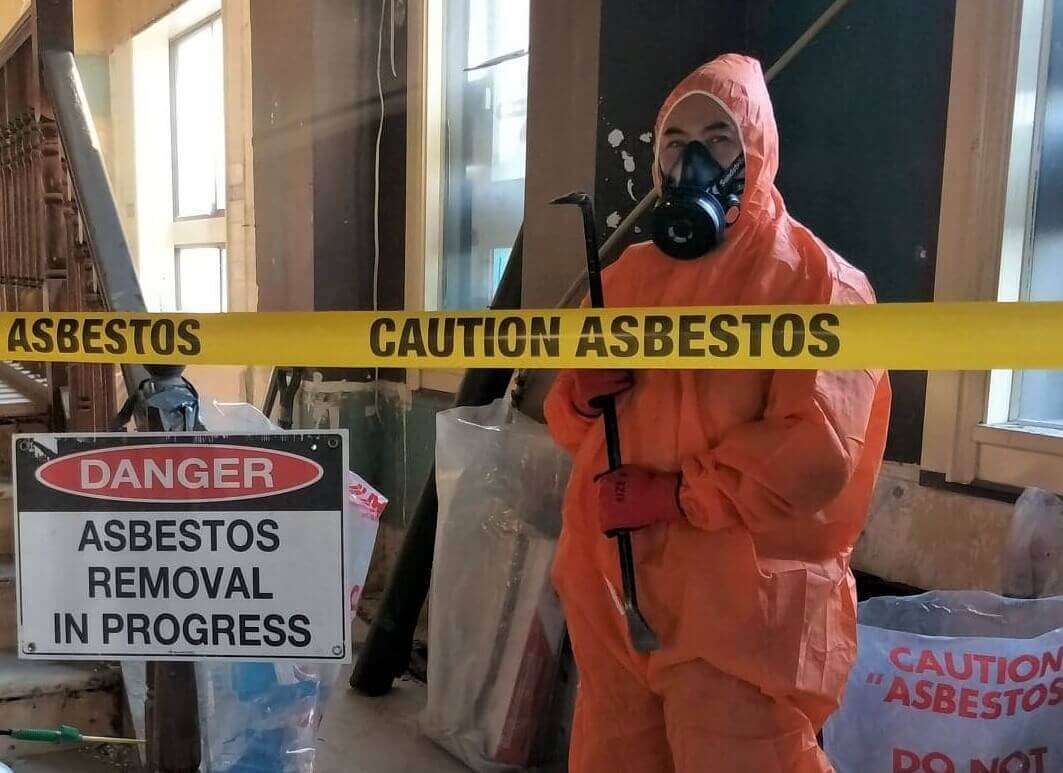
Encountering products you believe to be asbestos rope or gaskets demands prompt care. https://friernbarnetasbestosremoval.co.uk/services/garage-shed-roof-removal.html Asbestos fibers are dangerous when disturbed, posing significant respiratory system risks. Don't touch, move, or attempt to clean up the product, as also marginal disturbance can launch airborne fibers. Execute emergency situation evacuation procedures if fibers are visibly present airborne or if products show up damaged. Limit accessibility to the afflicted location and alert relevant personnel. Start air surveillance to examine contamination levels and maintain control up until further specialist assessment.
- Never ever disturb or attempt to get rid of presumed asbestos-containing materials.
- Launch emergency discharge if airborne fibers or serious damage are observed. https://friernbarnetasbestosremoval.co.uk/services/artex-removal.html
- Seal and clearly mark the area to avoid unauthorized entry.
- Promptly notify your facility's safety and security police officer or supervisor.
- Schedule punctual air monitoring to evaluate direct exposure danger.
Expert Evaluation Steps
After taking immediate safety measures to secure the area, your following step relies on including qualified specialists to evaluate the presumed asbestos material. Don't try to disrupt or sample the rope or gaskets on your own. Qualified asbestos experts will certainly carry out a complete site examination, visually analyzing the materials and adjacent surfaces for indicators of fiber launch or wear and tear. They'll frequently gather examples for laboratory evaluation to verify asbestos web content. Air tracking is crucial to examine whether air-borne fibers are present and to quantify prospective direct exposure dangers. Based on these findings, experts will establish a threat management plan, laying out control, removal, or encapsulation treatments compliant with regulatory criteria. Trigger, evidence-based evaluation reduces health threats and guarantees lawful obligations are effectively satisfied throughout the removal procedure.
Often Asked Concerns
Just How Can I Evaluate Products for Asbestos at Home Securely?
If you believe do it yourself packages are secure, bear in mind that troubling products can release asbestos fibers, presenting inhalation risks. For accurate outcomes and very little risk, you shouldn't count exclusively on do it yourself sets. Instead, damp the material to lessen dust, put on a P2 respirator, double-bag examples, and follow kit instructions exactly. However, expert tasting is constantly more secure— professionals make use of specific tools and procedures, considerably minimizing contamination and health threats. Prioritize your security by seeking advice from professionals.
Are Vintage Equipments Likely to Contain Asbestos Seals?
Yes, classic appliances like stoves and boilers are most likely to include asbestos seals, specifically if manufactured prior to the 1980s. Asbestos was favored for its warm resistance, making it typical in gaskets and insulation around home heating elements. If you're servicing classic stoves or checking boiler seals, think asbestos exists unless tested or else. Disturbing these components can launch hazardous fibers, so you shouldn't attempt elimination or repair work without expert risk assessment and proper precaution.
What Industries Still Import Asbestos-Containing Gaskets?
You could be stunned to learn that over 35 countries still import asbestos-containing items, including gaskets. If you operate in industrial machinery or vehicle repair, you go to threat— these sectors frequently source substitute gaskets which contain asbestos, due to its warm resistance. In spite of worldwide awareness, technicalities in import guidelines indicate asbestos exposure continues to be a technological hazard, specifically throughout maintenance or retrofitting. Constantly validate product security information to minimize your health and wellness dangers.
Can Pets Be Impacted by Asbestos Fibers From Old Ropes?
Yes, your pets can be affected by asbestos fibers from old ropes. Pet dogs direct exposure happens when fibers become airborne and are inhaled or ingested throughout contact with infected products. Scientific research studies reveal that pet health and wellness risks consist of respiratory issues, lung swelling, and even cancers cells similar to those seen in human beings. Because family pets typically brush themselves, they can ingest fibers entraped in their fur, boosting their general danger of asbestos-related conditions.
Exactly How Do Insurance Plan Handle Asbestos-Related Events?
Insurance coverage usually include asbestos-related cases under insurance coverage exemptions, implying they're not covered because of the high threat and historic claims data. If coverage exists, responsibility restrictions are purely defined, covering the insurance firm's payment. You'll require to assess your certain plan's language, as endorsements or separate ecological obligation policies could be needed. Proof shows most standard property and obligation policies exclude asbestos claims, so proactive risk administration is vital to prevent unremunerated losses.